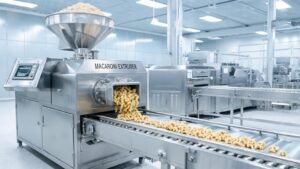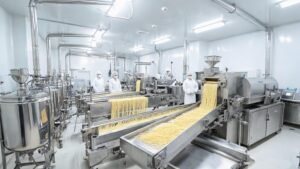
The smell of fresh pasta is the smell of success. It signals quality, authenticity, and a dedication to the craft that frozen or dry pasta simply cannot match. Whether you are opening a cozy Italian trattoria, scaling up a popular farmers’ market stall, or launching a boutique pasta brand, the heart of your operation will be your Commercial Pasta Extruder.
But walking onto a showroom floor or scrolling through online catalogs can be overwhelming. You are faced with machines ranging from $2,000 to over $50,000. Some are countertop units that look like oversized toys; others are industrial beasts that demand a concrete floor.
How do you find the perfect machine for your specific business needs? You don’t just buy a machine; you invest in a production system. This guide will walk you through every critical factor—from understanding your daily output to the material of the mixing paddle—so you can make a confident, profitable decision.
Understand Your Output: The “Kilos Per Hour” Reality Check
The single most important question to answer is: How much pasta do you need to make per day?
This is not a trick question. It is the foundation of your buying decision. A small restaurant that serves fresh pasta as a daily special might only need 10-15 kg (22-33 lbs) per day. A pasta manufacturing facility supplying grocery stores might need 200 kg (440 lbs) or more per hour.
The Trap of Over-Buying
Many new business owners buy a machine that is too large. They think, “I’ll grow into it.” This is a mistake. A huge machine takes up valuable kitchen space, requires a lot of dough to run efficiently, and is difficult to clean quickly. You end up with a massive machine that is under-utilized and a headache to maintain.
The Trap of Under-Buying
Conversely, buying a machine that is too small is a recipe for disaster. You will constantly be running batches, causing delays during service. In a commercial kitchen, time is money. A machine that runs for 10 minutes and then needs a 15-minute rest will kill your speed.
The Solution: Look at your peak demand. If you serve 100 covers of pasta on a Friday night, you need to produce that volume during your prep time. A commercial pasta extruder machine for small business, like the ZhuoHeng entry-level models, is perfect if you are looking at 15-30 kg/hour. For a medium-sized restaurant, a 30-50 kg/hour unit is ideal. For manufacturing, you must look at floor models capable of 100+ kg/hour.
The Motor: Power and Stress (The “Bog Down” Factor)
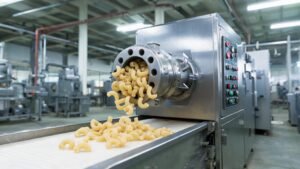
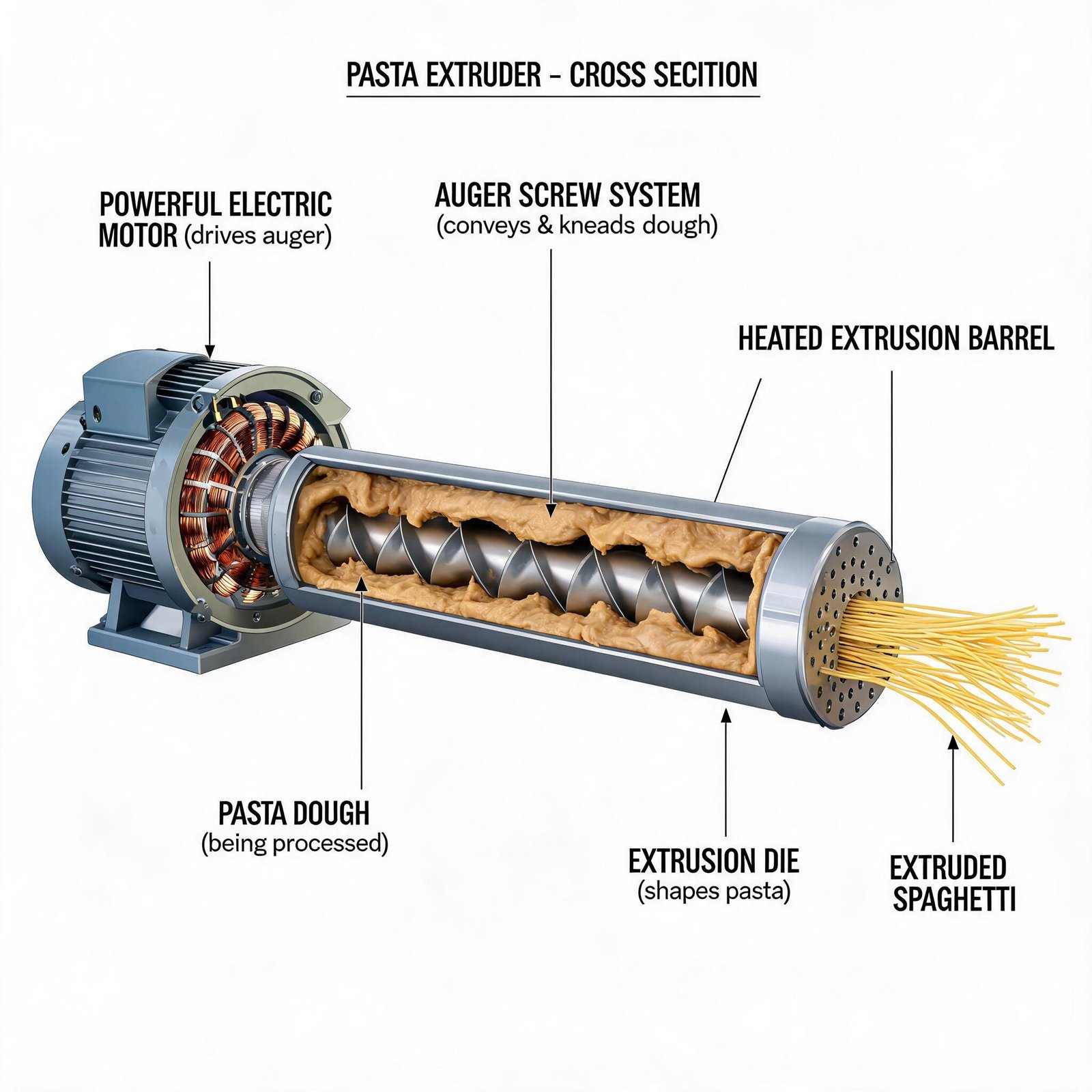
A pasta extruder works by forcing dough through a metal die. This requires immense pressure. A weak motor will struggle, especially with thicker doughs like penne or rigatoni. If your industrial pasta extruder for restaurant production bogs down or stalls, you are not making pasta; you are stressing.
Look closely at the motor specs. A 0.5 HP motor is common for smaller countertop units. A 1 HP or 1.5 HP motor is standard for serious commercial work. A powerful motor means consistent extrusion and less chance of dough overheating.
- Home-Use Issue: A weak motor can’t handle the friction, causing the dough to heat up and become gummy.
- Commercial Standard: A powerful motor, like those found in Zhuoheng machines, maintains consistent pressure, keeping the dough cool and the gluten structure intact. This results in superior texture.
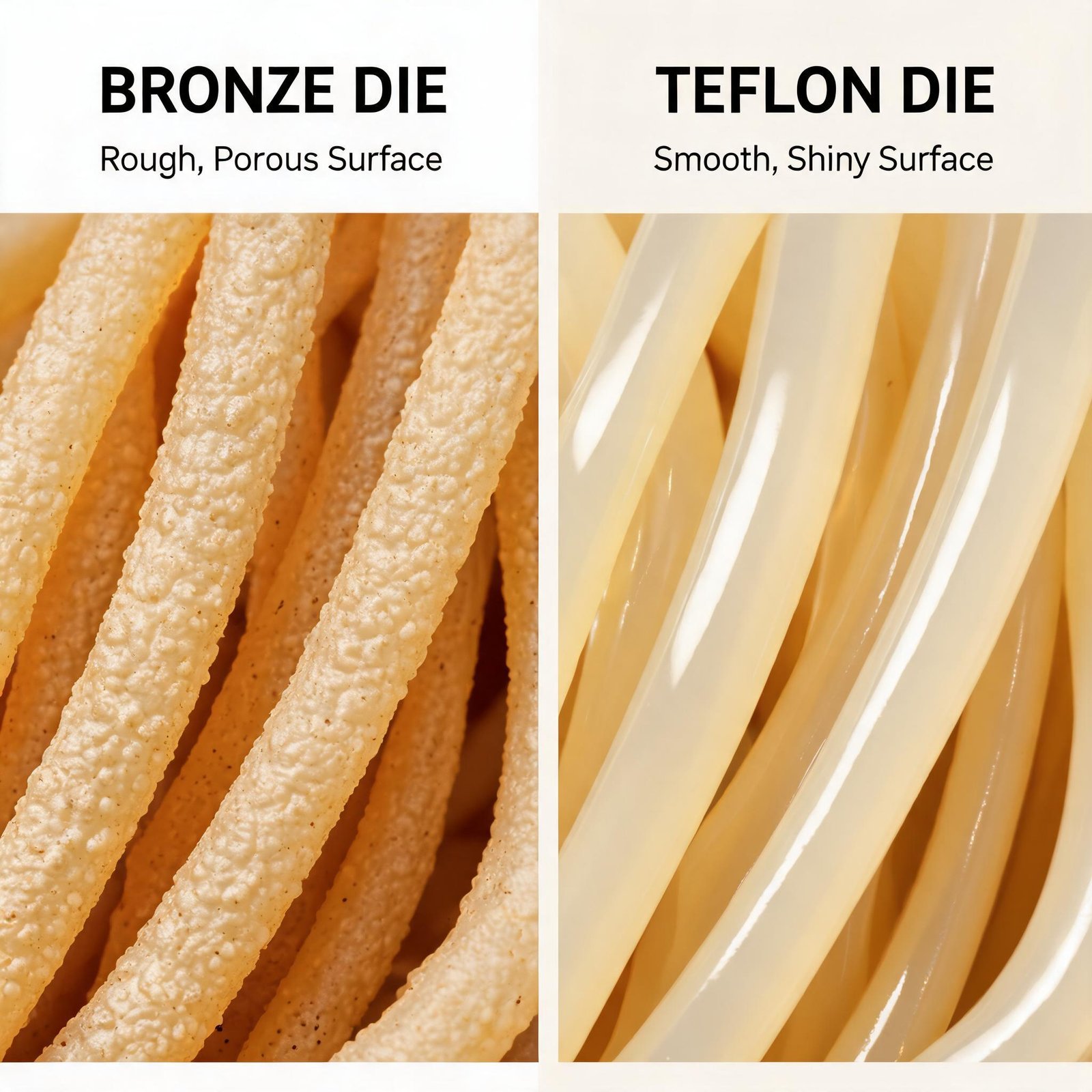
Bronze vs. Teflon Dies: The Texture Secret
This is where you separate the amateur from the professional. The die (the metal plate the dough is forced through) is the most important part for the final product quality.
- Teflon (or Non-Stick) Dies: These create a smooth surface on the pasta. The sauce will slide off the noodle. They are easier to clean and cheaper, but the pasta texture is inferior. Many home machines use these.
- Bronze Dies: This is the gold standard. As the dough is forced through the bronze die, the rough surface of the metal creates a micro-texture on the pasta. This texture is porous, allowing the sauce to adhere perfectly. Think of it as “pasta that grabs the sauce.” The difference in mouthfeel and flavor is instantly noticeable. All serious Commercial Pasta Extruder operations should use bronze dies.
How to choose a pasta extrusion machine for manufacturing: Always ask if bronze dies are available. They are more expensive and wear out faster than Teflon, but for a premium product, they are non-negotiable.
The Mixing System: Efficiency and Dough Quality
Not all extruders are created equal. Some are “mix and extrude” units, meaning they mix the dough in the same chamber where it is extruded. Others have separate mixing tanks.
- Single Chamber: Common in smaller countertop units. They are compact and simple but can lead to inconsistent dough mixing, especially in larger batches.
- Dual Chamber / Separate Mixer: This is the professional standard. A dedicated mixing chamber creates a perfectly homogenous dough, which is then transferred to the extrusion auger. This ensures every noodle has the same texture and consistency.
For high-volume production, look for machines with a powerful mixing paddle. A paddle that tears through the dough rather than gently folding it will develop gluten faster and more effectively. ZhuoHeng’s dual-mixer commercial units are specifically designed for high stress, high-volume mixing without the risk of motor burnout.
Stainless Steel vs. Plastic: A Question of Sanitation and Longevity
In a commercial kitchen, everything gets cleaned aggressively. Hot water, strong detergents, and metal scrubbing pads are the norm.
- Plastic Housing: Many budget-friendly commercial machines are built with a plastic exterior. While it is cheaper, it is not as durable. It can crack, stain, and absorb odors over time.
- Stainless Steel Housing: This is the standard for professional kitchens. It is durable, easy to clean, and resistant to corrosion and corrosion. It is an investment in the long-term hygiene and appearance of your kitchen.
The Verdict: For any business that values hygiene and longevity, a machine with stainless steel housing is the only choice.
Which Shapes Do You Need? Versatility vs. Specialization
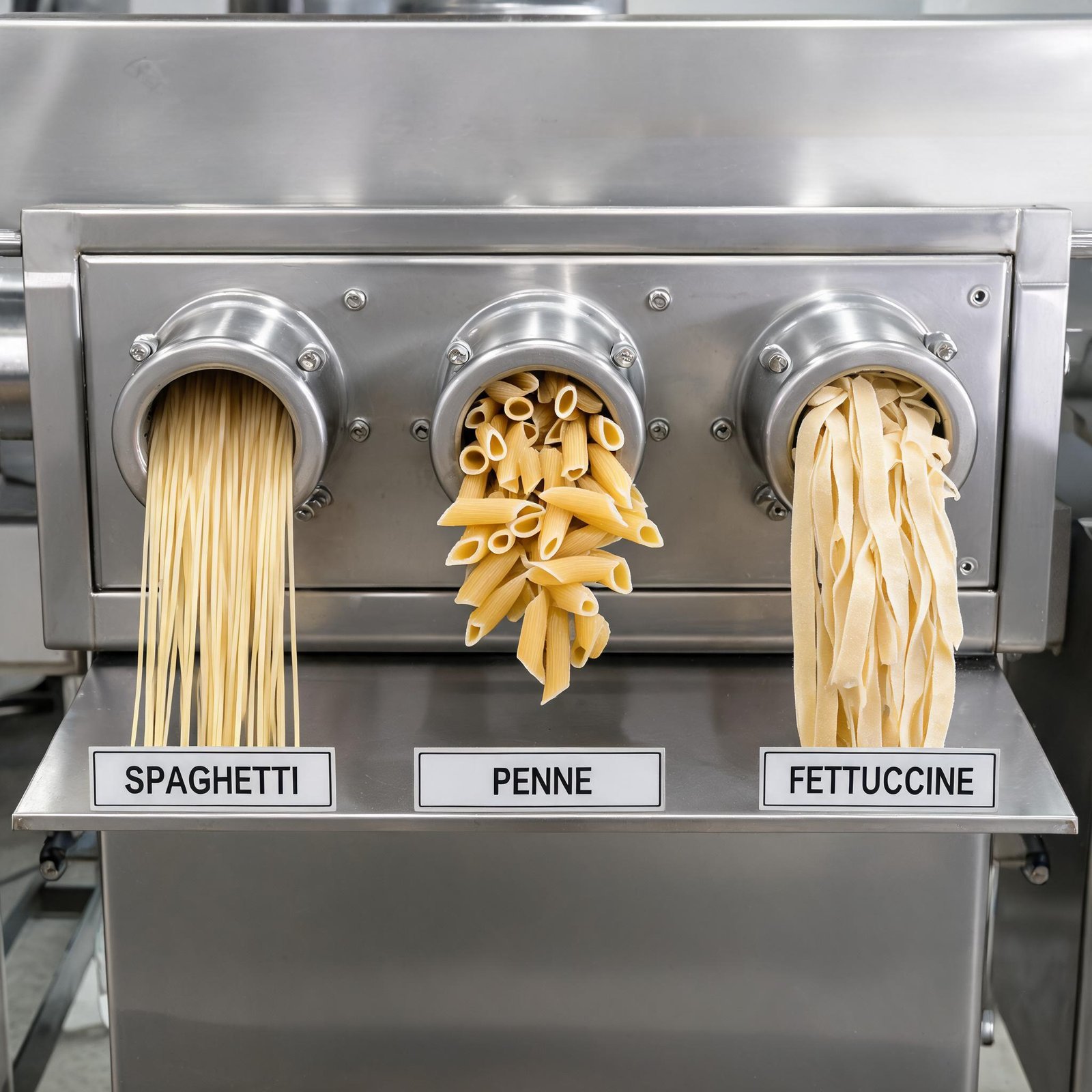
Do you want to offer spaghetti, fettuccine, penne, rigatoni, and macaroni? Or is your menu built around one or two signature shapes?
- Versatility: Machines with a wide variety of die shapes (e.g., 8, 10, or 12 different dies) offer immense flexibility. You can change your menu daily.
- Specialization: If you are a high-volume spaghetti house, you might be better off with a dedicated, high-speed spaghetti line.
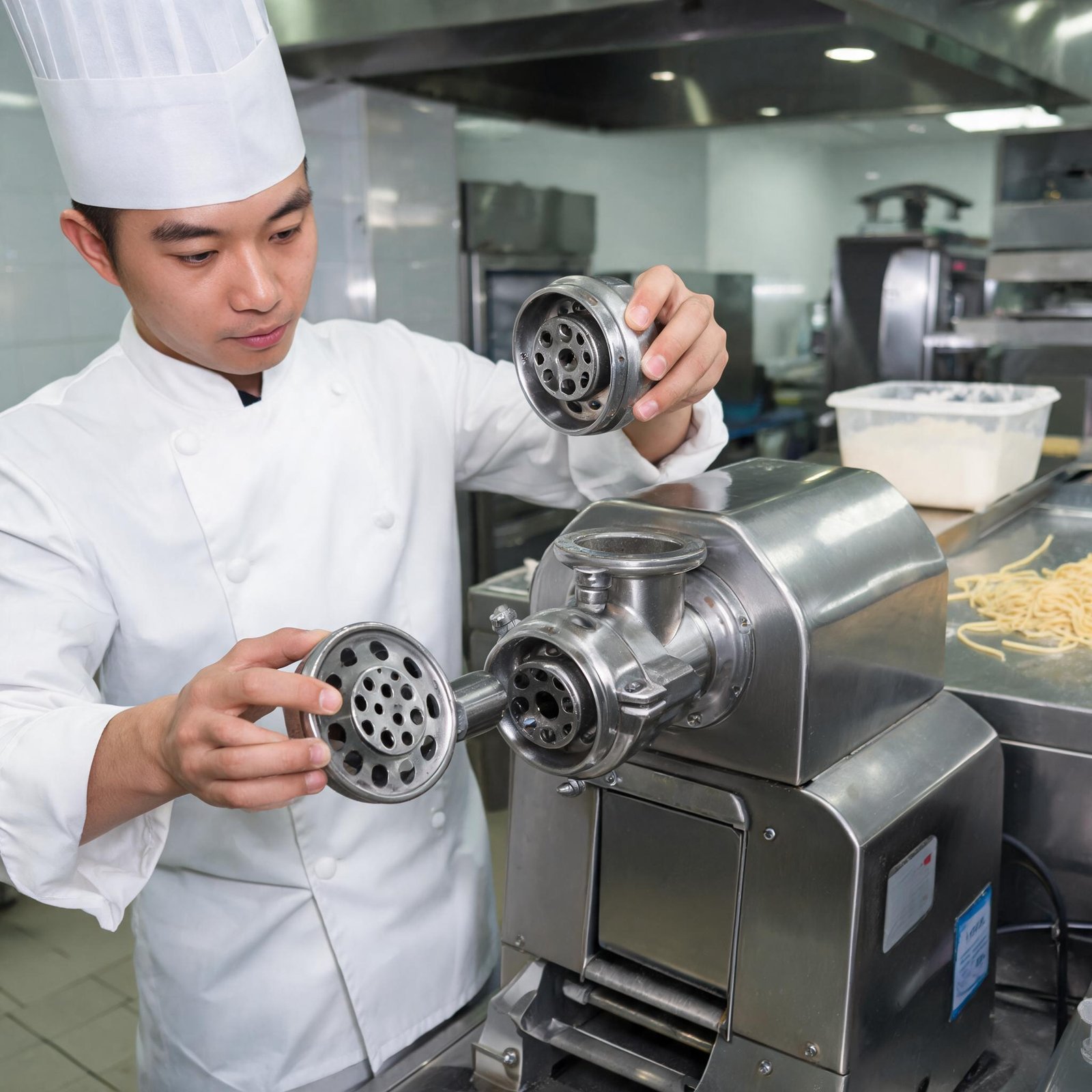
The key is to look at how easy it is to change dies. A machine that requires tools to swap out a die is a time waster. The best commercial pasta extruders have a quick-release mechanism. ZhuoHeng machines, for example, feature a tool-free die change that takes under 60 seconds, allowing you to switch from penne to fettuccine with zero downtime.
Automation and Control: The “Set It and Forget It” Factor
How much control do you need? Some machines have simple on/off buttons. Others have digital displays and timers.
Start with the Basics
At a minimum, you need a machine that lets you control the mixing time and extrusion speed. Most good machines have a “pause” function so you can cut your noodles.
Level Up with Automation
Modern machines offer intelligent functions like:
- Automatic Weighing: The machine tells you how much water to add based on the flour weight.
- Programmable Presets: You can save recipes for different shapes.
- Extrusion-Only Mode: This lets you push out leftover dough at the end of a batch.
For a busy restaurant, a machine with a clear digital interface and presets saves time and reduces errors.
Budget: Long-Term Value vs. Short-Term Savings
Price is a huge factor. A countertop machine might cost $3,000, and a floor model might cost $15,000 or more.
Do not just look at the purchase price. Look at the total cost of ownership.
- Warranty: A 1-year warranty is standard. A 2-year warranty shows confidence.
- Parts Availability: Are the dies and gaskets easy to find? ZhuoHeng offers a global spare parts network, so you are never down for long.
- Local Support: Can you call a technician for help? Manufacturer support matters.
- Resale Value: A well-maintained Zhuoheng machine holds its value well.
The Golden Rule: The cheapest machine is often the most expensive in the long run. If it breaks down during a busy Saturday service, the lost revenue and reputation damage are far greater than the cost of a higher-quality machine.
A Real-World Case Study: The “ZhuoHeng” Difference
Let’s take a hypothetical example: “Pasta Bella,” a new restaurant in Chicago. The owner needs a machine for 40 kg of pasta per day. They are considering two options: a generic plastic machine for $4,000 and a Zhuohengextruder stainless steel model for $8,000.
- Generic Machine: It works for a month. Then the plastic housing cracks. The motor struggles with penne. The Teflon die makes pasta that sauce slides off. Customers complain. The machine is replaced within a year. Total cost: $4,000 + frustration + lost customer trust.
- ZhuoHeng Machine: It is built with a 1 HP motor. The bronze dies create pasta with perfect texture. The stainless steel body is easy to clean. The owner uses it for 5 years without a single major issue. Total cost: $8,000, but the ROI is massive due to happy customers and no downtime.
How to Choose a Pasta Extrusion Machine for Manufacturing
If you are setting up a micro-factory or a manufacturing line, the game changes. You need to look at:
- Continuous Production: Can the machine run for 8-12 hours without stopping? Look for water-cooled models that prevent the dough from overheating.
- Dual Augers: For high-volume, dual auger systems create higher pressure and more consistent output.
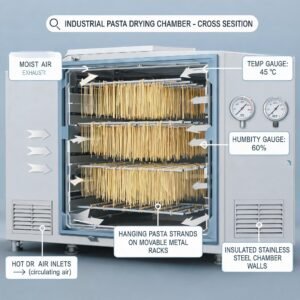
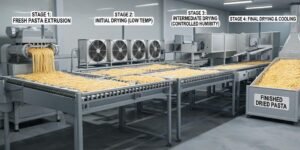
- Pasta Dryer Integration: You must pair your extruder with a dryer system for a finished product.
- Hygiene Standards: Machines must be easy to fully disassemble for deep cleaning. Look for NSF or CE certifications.
Common FAQ: Your Questions Answered
Q: Can I use a home pasta extruder in my commercial kitchen?
A: Absolutely not. Home machines are not built for the constant use, high heat, and rigorous cleaning of a commercial kitchen. They will break down quickly, and they usually lack the necessary certifications.
Q: How much does a good commercial pasta extruder cost?
A: A good entry-level countertop machine will cost between $3,000 and $7,000. A serious floor model for a restaurant or small manufacturing facility will range from $8,000 to $20,000. High-volume industrial units can exceed $50,000.
Q: Is bronze die pasta really better?
A: Yes. The micro-texture created by a bronze die is crucial for sauce adherence. It is the defining difference between premium fresh pasta and average pasta. It is non-negotiable for a serious brand.
Q: What is the difference between a pasta extruder and a pasta press?
A: They are the same thing. “Extruder” is the technical term for forcing dough through a die. “Pasta press” is a more common marketing term.
Maintenance and Care: Making Your Investment Last
A commercial pasta extruder is an investment. Treat it like one.
- Clean Immediately: Dried dough is the enemy. Clean the machine immediately after use. Use the tools provided to remove dough from the dies.
- Never Use Scouring Pads: They will scratch the dies and the housing. Use a soft brush and a plastic scraper.
- Store Dies Properly: Keep your bronze dies in a dry place. They are precision tools. A small dent can ruin a batch of pasta.
- Lubrication: Follow the manufacturer’s guidelines for lubricating moving parts.
- Annual Service: Like a car, your machine needs a yearly check-up. A technician can oil the motor and replace worn gaskets.
The Final Formula for Success
Choosing the right Pasta Extruder is not about picking the most expensive one or the cheapest one. It is about finding the perfect match for your production volume, your desired texture, and your kitchen layout.
Your checklist:
- Quantity: How many kilos per hour?
- Small Volume (up to 20 kg/hr): Countertop, strong motor, bronze dies.
- Medium Volume (20-80 kg/hr): Floor model, dual mixing, water cooling optional.
- High Volume (80+ kg/hr): Industrial, dual auger, continuous operation.
- Quality: Bronze dies for premium texture. Stainless steel for hygiene.
- Power: A motor strong enough to handle your thickest pasta shape.
- Ease of Use: Tool-free die changes, clear controls.
- Support: Warranty, parts availability, and manufacturer backing.
A great commercial pasta extruder is the engine that can turn a good idea into a thriving business. It is the tool that creates the product your customers will fall in love with. At ZhuoHeng, we understand that choosing a machine is a huge decision. That is why we build our extruders to be reliable workhorses, designed to make your pasta-making journey a success from day one.
Now, go make some amazing pasta.